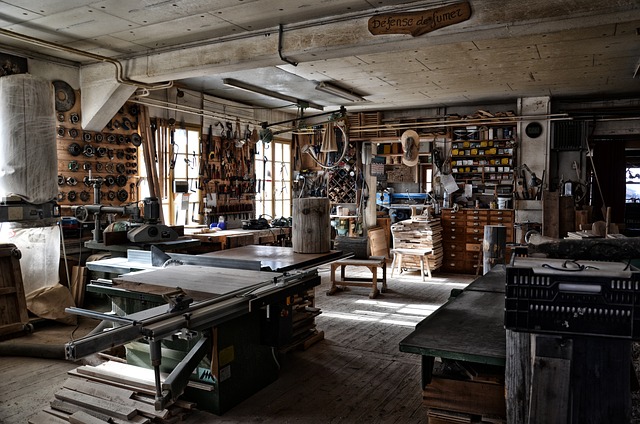
Concrete Services Adelaide A workshop floor has a tougher life than most concrete.
It doesn’t just hold up a building.
It carries toolboxes that seem to get heavier every year. It copes with engine hoists, welders, benches, compressors and the occasional project car that’s been “nearly finished” for the last five years.
After more than twenty years pouring concrete across Adelaide, I’ve found workshop slabs need a different way of thinking.
You’re not building a floor for today.
You’re building one for everything you’ll eventually do in that space.
Workshops always grow
Here’s something I’ve noticed.
Nobody ever says, “I wish I’d built a smaller workshop.”
The same goes for the slab underneath it.
The plan usually starts with somewhere to store a few tools.
A year later there’s a workbench.
Then shelving.
Then a bigger air compressor.
Before long you’ve got machinery that never featured in the original plan.
One thing we’ve noticed is that homeowners almost always underestimate how much weight and activity a workshop will eventually handle.
Building with tomorrow in mind usually pays off.
The concrete only tells half the story
Most people focus on the slab thickness.
Fair enough.
It’s important.
But here’s where people get caught out.
The preparation underneath the slab is just as important as the concrete itself.
Around Adelaide, we’ve worked on everything from sandy coastal blocks to highly reactive clay soils.
Different sites behave differently.
If the ground isn’t prepared properly, even a well-poured slab can end up with movement over time.
Good concrete starts before the concrete truck arrives.

Think about how you’ll work
A workshop isn’t just somewhere to park equipment.
It’s where you’ll spend hours standing, building and fixing things.
That changes the way we think about the slab.
Smooth enough to sweep easily.
Strong enough to handle heavy equipment.
Level enough that tool cabinets and workbenches sit properly.
The funny thing is, those practical details often matter more than decorative finishes.
Nobody enjoys working on a floor that’s difficult to use every day.
Water is the silent troublemaker
After doing hundreds of slabs, I’ve realised water causes more headaches than most people expect.
Rain blowing under the roller door.
Poor drainage around the building.
Water collecting against the slab during winter.
Those issues don’t always show up immediately.
But over time, they can create problems that are much harder to fix.
One thing we’ve noticed is that sensible drainage planning usually saves homeowners a lot of frustration later.
Leave room for change
Very few workshops stay exactly the same.
That’s worth remembering before construction begins.
Ask yourself a few simple questions:
- Will heavier equipment be added in the future?
- Could the workshop eventually house a vehicle?
- Is there enough room to move comfortably around benches?
- Will the slab be easy to clean after everyday use?
- Does the surrounding site drain properly after rain?
Planning for those possibilities costs very little compared with altering the slab later.
Build it once
I’ve always believed concrete should outlast the projects sitting on top of it.
Cars will change.
Tools will change.
The workshop itself might even be extended one day.
The slab should still be quietly doing its job.
After building workshop slabs across Adelaide for decades, I’ve learned the best compliment is hearing from someone years later who says, “We’ve never had a problem with it.” That’s exactly what a workshop floor should be—something you never have to think about because it simply works.
At Pro Concreting Adelaide, we build workshop concrete slabs designed for real work, real equipment and Adelaide’s unique ground conditions. Whether you’re creating a home workshop, a commercial workspace or a larger shed, we’re happy to provide practical advice, quality workmanship and a no-obligation quote that gives your project the solid foundation it deserves.